US and Iran Bet on Time as the Specter of War Overshadows Any Chance of a Settlement

Nearly nine months into the war, the United States and Iran are each acting as though time is on their side — a conviction that has pushed both sides into a deadlock that looks extremely difficult to escape. Against that risky bet, two former US negotiators with Middle East experience, European officials, and sources say fighting could resume before any diplomatic exit is reached.
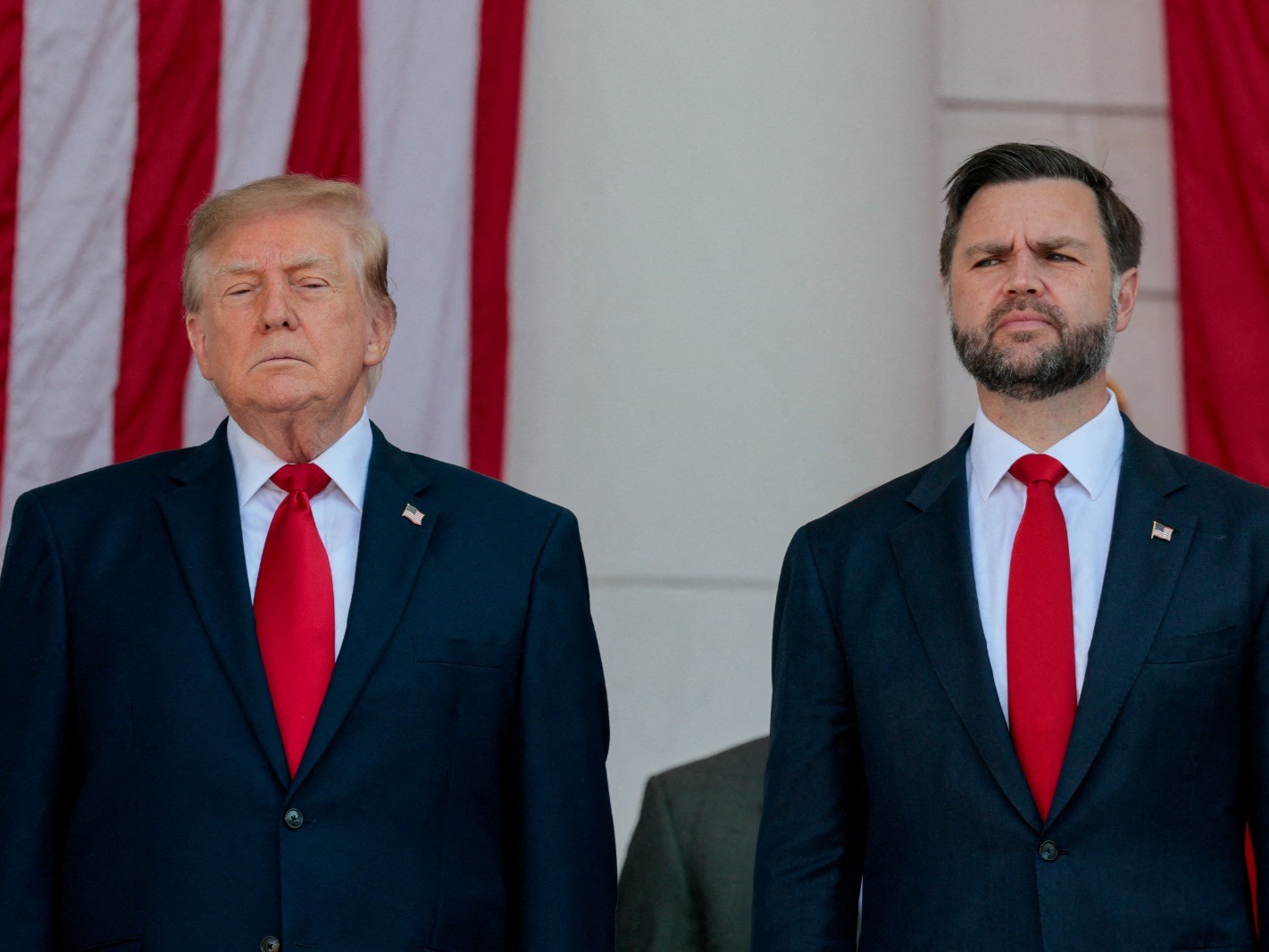
President Donald Trump prefers to keep up economic pressure on Iran rather than launch a new wide-scale military campaign or offer concessions, based on his belief that resuming strikes would not change the outcome and could push Tehran to target the region’s energy infrastructure. Instead, Trump is counting on the naval blockade and economic pressure to force Iran to back down and make concessions on its nuclear program.
Iranian leaders see things differently. Election setbacks for Trump’s Republican Party in the United States, and for Prime Minister Benjamin Netanyahu in Israel’s elections, have encouraged them to raise the cost of reaching an agreement and to demand that Washington take the first step toward a settlement.
A Third US Aircraft Carrier and a Warning About Trump
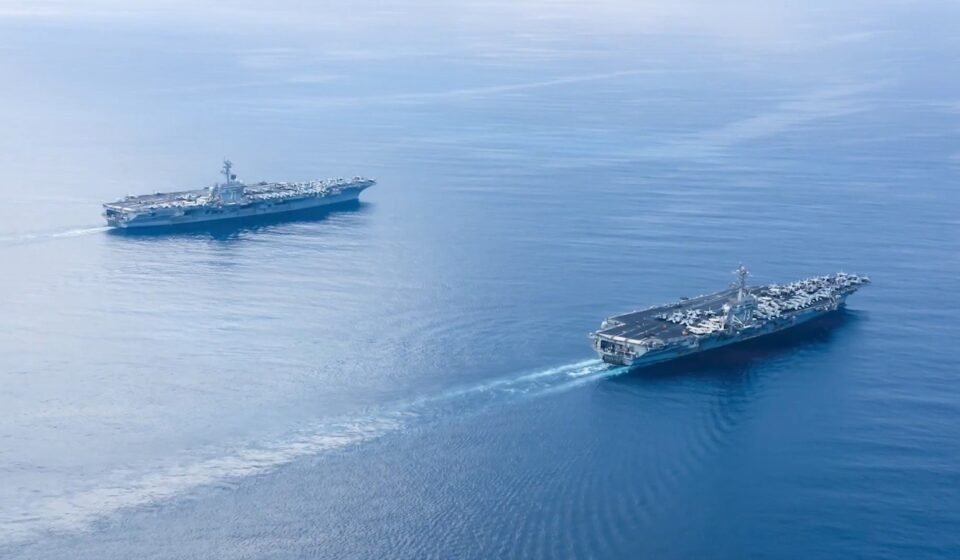
A third US aircraft carrier has arrived in the Middle East amid rising US-Iran tensions, alongside a warning about an alleged Iranian plot to target President Donald Trump.
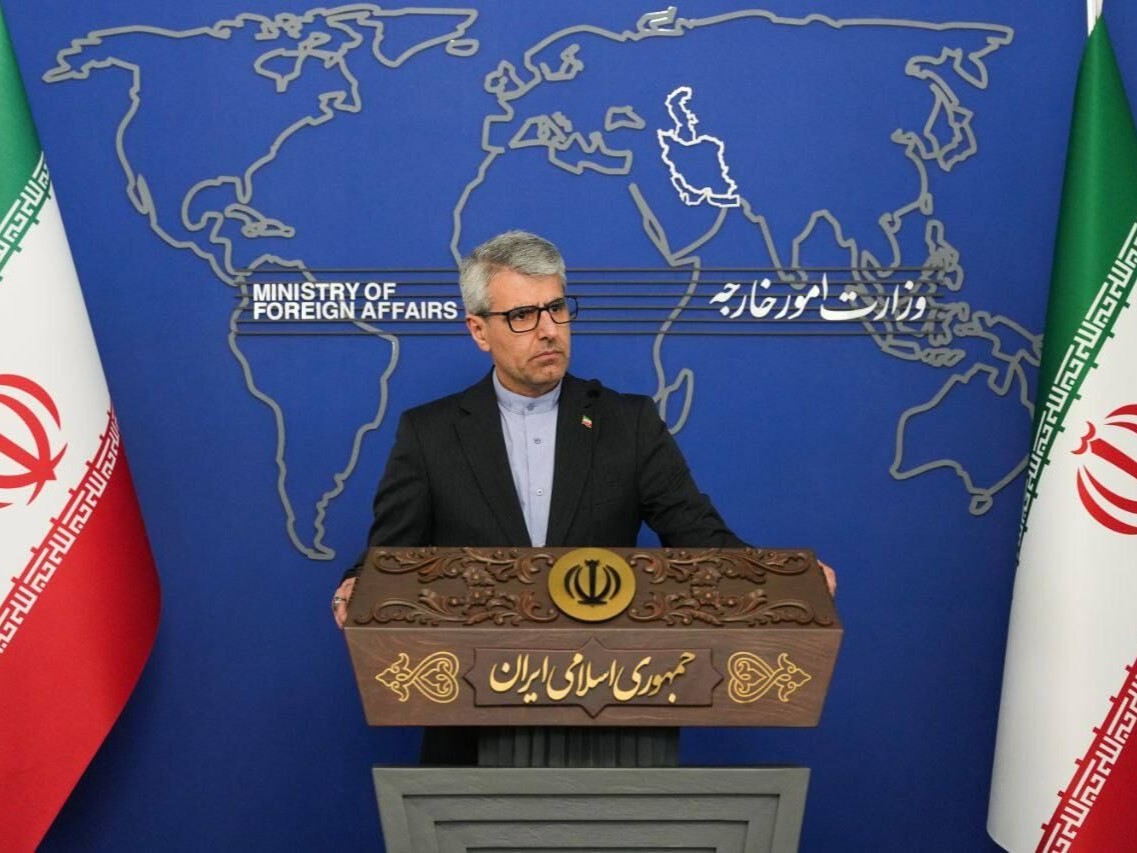
Tehran insists it is open to diplomacy but accuses Washington of coercion and says it will not bow to US pressure, despite meeting on Tuesday with Omani and Qatari mediators.
Dennis Ross, a former US Middle East negotiator, described what he called a double reality: “Trump does not have good options, and the Iranians do not have good options.” He added: “Each side defines what is needed to end it (the war) in a way that conflicts with the other side, and the other side cannot accept that.”
A senior European official said Washington’s demands are “so exorbitant that Iran cannot accept them,” while Tehran’s demands are “politically costly to a degree that makes accepting them difficult for Washington.”
Enriched Uranium and the Nuclear Problem
Another senior European official, who has seen information from his country’s intelligence service, said the US military campaign “achieved the opposite of what was intended.” The official, who asked not to be identified because of the sensitivity of the matter, explained that “the war strengthened Iran’s position and unified forces around the hardliners,” and “exacerbated the nuclear problem instead of solving it.”
The first European official and another Western official said intelligence reports indicate that a “large part” of Iran’s stockpile of highly enriched uranium was likely buried deep at the “Donkey’s Mountain” site, a heavily fortified underground facility near Iran’s Natanz nuclear complex.
The first European official said: “All the incentives are there to push Iran to proceed with a secret nuclear program aimed at ensuring deterrence against any future US military intervention.”
Iran, which insists its nuclear program is for civilian purposes only and denies seeking a nuclear bomb, has announced it will not allow nuclear inspectors to return as long as the war continues.
Washington's Options: Escalate, Negotiate, Capitulate, or Squeeze
Aaron David Miller, a former US Middle East negotiator, sees Washington’s available options as escalation, negotiation, capitulation, or tightening the economic noose. He noted that Washington currently prefers the last option, while keeping the possibility of military action open before the Democratic majority takes over Congress in January.
A US official said the economic pressure campaign is devastating Iran to the point that “the president (Trump) does not need to launch major combat operations,” stressing that all options remain available to the US president to prevent Tehran from obtaining a nuclear weapon.
Four diplomats who attended a G7 foreign ministers meeting in Paris last week said US Secretary of State Marco Rubio told his counterparts that Washington is not forced to choose between resuming the war or concluding a weak agreement. Rubio explained that there is a third option: continuing economic pressure until the Iranians realize “they do not control the game” and make concessions that allow what he described as a balanced agreement.
The two European officials believe Trump has currently settled on this option, though one warned that he could change his position at any moment. One official said Trump has not completely ruled out military action, and the current lull is widely seen as an opportunity to make room for diplomacy.
Trump appears to have limited room to maneuver at present, with three aircraft carriers in the region.
Who Takes the First Step?
All sources who spoke to Reuters confirmed that indirect talks between the United States and Iran remain stalled over disagreement on the sequencing of steps needed to reach an agreement.
They explained that Tehran is demanding the lifting of the blockade, the release of its frozen assets, and the resumption of its oil exports before entering substantive talks. Iran also wants an end to combat operations on all fronts and recognition of a role for it in managing navigation through the Strait of Hormuz, a vital corridor for global energy supplies.
In return, the sources said, Tehran is offering to reopen the Strait of Hormuz while only committing to discuss its nuclear program later. Washington, meanwhile, is demanding reciprocal and simultaneous steps, including verifiable commitments on Iran’s nuclear program from the outset.
The two European officials stressed the need to include the nuclear file in the first phase of talks, considering Iran’s demands to resolve the issue of the blockade on Hormuz and lift sanctions before allowing nuclear inspectors to return unacceptable.
Political analysts believe there is currently no figure inside Iran in a position to approve an agreement. A European official said an influential group of Revolutionary Guard officers, who believe they emerged victorious from the war, see no interest in negotiating, making the task of Iranian Foreign Minister Abbas Araghchi nearly impossible.